
Automatic screen printing for heat transfer production
Produce silicone labels, raised logos, reflective graphics and tagless care marks on transfer carriers. Compare roll-to-roll and CCD sheet printing around your film, ink, artwork and output target.
01 / HEAT TRANSFER
Production route
Equipment for printing the transfer layer; heat pressing and final garment qualification are separate steps.
Equipment
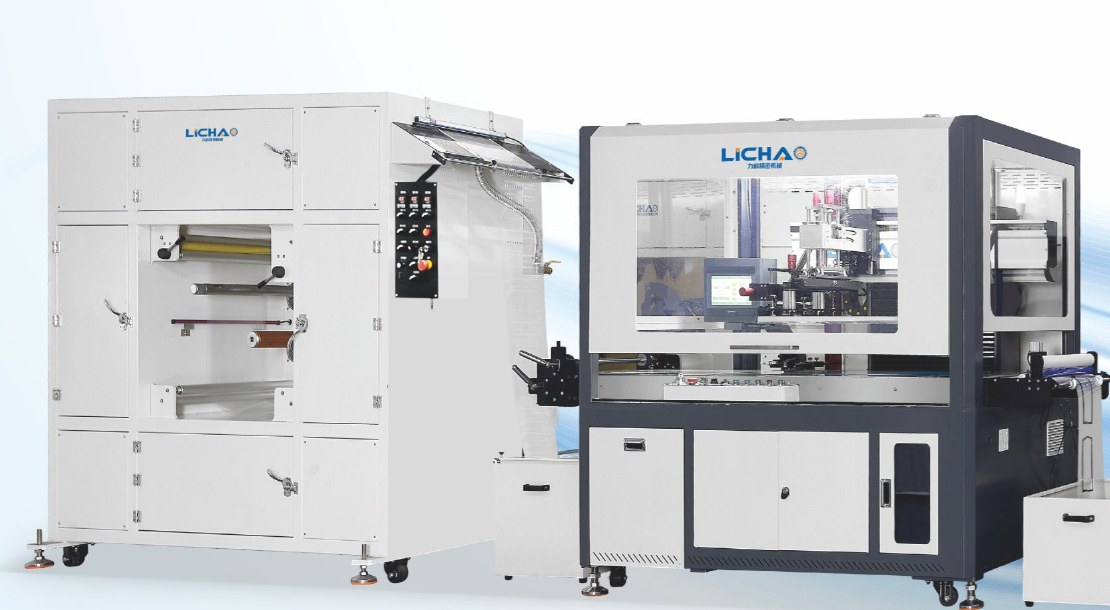
Roll-to-roll heat transfer screen printing machine
Continuous PET film printing for heat transfer labels and multi-colour artwork. Web tension, registration marks and drying determine repeatability over long runs. LICHAO models LC-R5070SYJ-B and LC-R6080SYJ-B list electric-eye tracking; confirm the required print window by sample.
Explore process ↗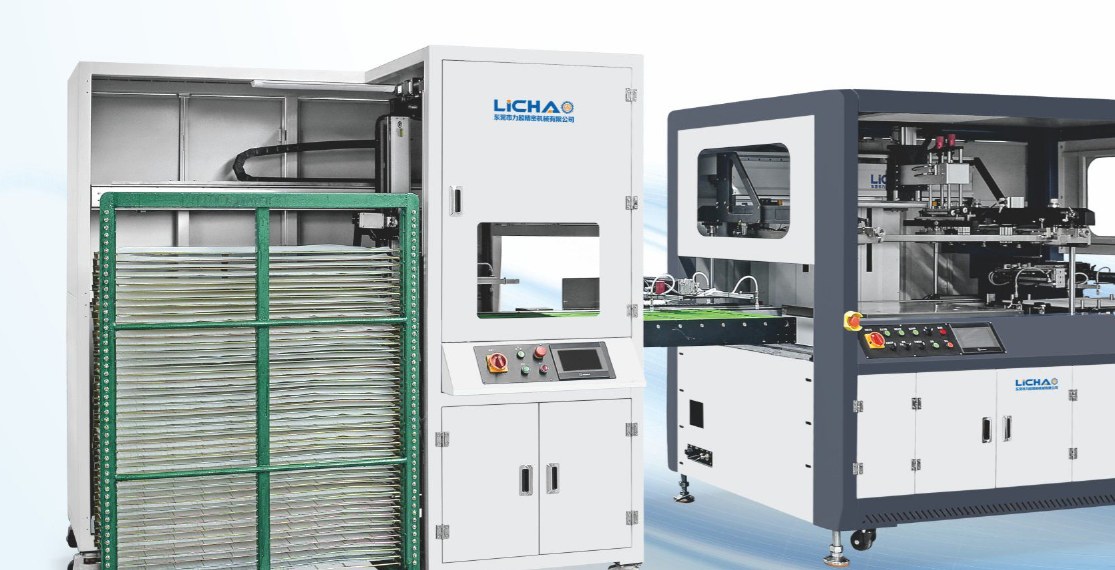
CCD automatic sheet screen printing for transfer film
Sheet-fed PET jobs with many artwork changes need stable loading and camera registration. LICHAO LC-P5070SYJ-C combines automatic feeding, CCD alignment and unloading; choose it when the job is better handled as sheets than a continuous roll.
Explore process ↗Processes
Silicone heat transfer labels and 3D logos
Screen printing deposits controlled silicone layers on a release carrier. Layer height, intercoat cure, adhesive compatibility and peel behaviour need separate checks. Do not infer final wash durability from print appearance alone.
Explore process ↗High-density and puff heat transfers
Raised effects depend on stencil thickness, ink rheology, repeat passes and cure. High-density and puff are different effects: specify the required edge definition, height and hand feel before choosing mesh and drying conditions.
Explore process ↗Reflective heat transfer graphics for workwear
Reflective transfer stacks may use engineered films or compatible printed layers. Keep the reflective surface clean, verify adhesion to the chosen fabric and test visibility after washing; claims about certified high-visibility performance require product-specific evidence.
Explore process ↗Tagless neck labels and heat transfer care labels
Small text, soft hand feel and repeatable adhesion matter more than visual thickness for tagless labels. Validate minimum readable type size, registration, fabric compatibility and wash performance on the actual garment construction.
Explore process ↗Screen printed plastisol heat transfers
Plastisol transfers are printed on suitable release paper or film and later heat pressed. Carrier stability, ink deposit, partial or full cure and peel method affect the result. Follow the ink supplier’s data sheet rather than copying one universal press setting.
Explore process ↗PET heat transfer film printing and adhesive layers
PET carrier choice, release coating and heat-sensitive adhesive must be treated as a stack. Check shrinkage after each dryer pass, multi-colour registration, blocking during storage and peel after heat pressing.
Explore process ↗Applications
Heat transfer printing for footwear uppers, tongues and insoles
Shoe components combine stretch, abrasion and complex surfaces. A printed transfer may work for selected uppers, tongues or insoles, but adhesion and feel must be checked against the exact substrate, finishing and forming sequence.
Explore process ↗Heat transfer logos for jerseys, activewear and team sports
Sportswear labels and graphics need stretch recovery, wash resistance and soft feel. Screen printing on transfer film allows controlled spot colour and layered effects; qualify each fabric and care cycle, especially dyed polyester and elastane blends.
Explore process ↗Heat transfer labels for bags, caps and outdoor gear
Bags, caps, gloves and outdoor goods use different coatings and assembly paths. Select a transfer construction only after checking temperature tolerance, surface finish, curvature and end-use abrasion on representative parts.
Explore process ↗Technical knowledge
Equipment selection
Equipment for printing the transfer layer; heat pressing and final garment qualification are separate steps.
Request a quote on SP ↗
Film printing equipment for labels, logos and textile transfers