
Multi-colour heat transfer film registration: PET shrinkage, mesh and CCD
For silicone logos and garment transfers printed in several colours, camera alignment cannot restore artwork that has changed size. Separate PET carrier change, screen movement and feed error before changing machine settings.
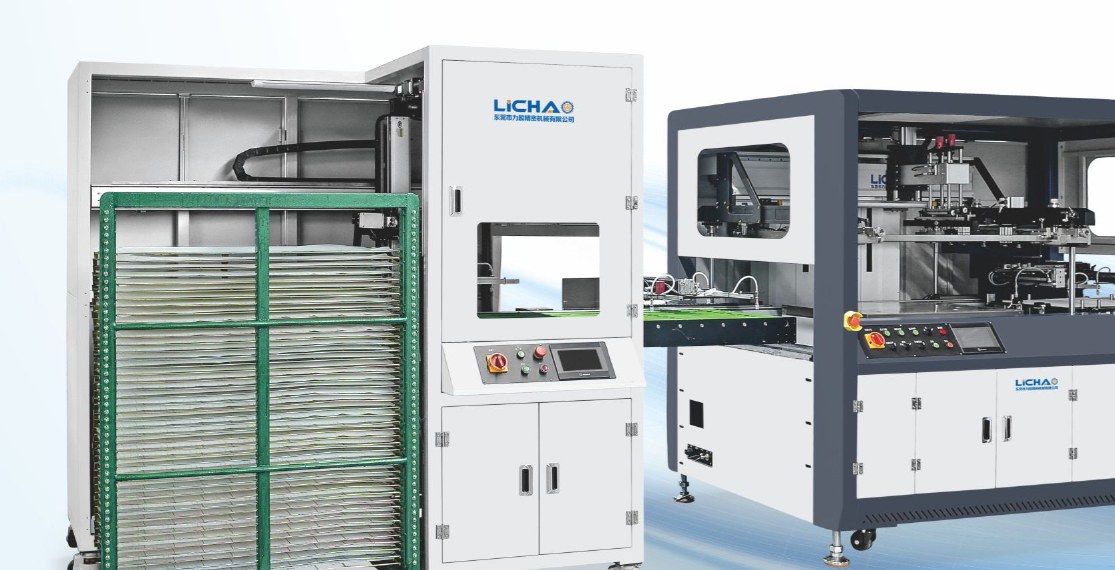
Measure the carrier after each dryer pass
Mark a fixed distance in the machine direction and across the film before printing. Re-measure after each drying pass at the actual production temperature and dwell time, using the first, middle and last samples from a roll. Record film grade, coating side and batch.
PET grades differ: supplier dimensional data applies to stated materials and test conditions, not every release film. Set a registration limit from your smallest lettering and colour overlap; do not assume one universal shrinkage allowance.
Keep the screen and web repeatable
Record mesh type and tension for each colour, stencil age, squeegee setting, print pressure, web tension, index length and dryer profile. Sefar identifies reproducible mesh tension as one contributor to reliable registration.
If one colour alone moves, inspect that screen and pass first. If all colours shift together, check film feed and index. When displacement grows across the artwork, measure the carrier itself before asking a camera to compensate.
Read the pattern of the registration error
Compare the same registration marks at the sheet or web edges and centre. Translation, rotation and scale change are different errors. CCD registration may correct position or angle within the machine range; it cannot recreate a carrier that has shrunk unevenly.
A roll-to-roll line needs repeatable pitch and tension over the whole run. Sheet-fed CCD equipment is worth testing when job changes are frequent or sheets need individual positioning. Neither choice replaces a stable carrier and screen.
Run a production-relevant equipment trial
Bring the actual PET, ink, adhesive and artwork to the trial. Print at least two colours plus the adhesive layer, then compare the first, middle and final samples after drying and winding or stacking.
After heat pressing, test peel, wash and stretch on the intended fabric. Ask for a sample report that states the measurement points and conditions rather than a single claim that registration is accurate.
Related process and equipment
- Record measured change in both film directions after every heat exposure.
- Compare registration at left, centre and right, not just one camera mark.
- Keep mesh tension, web tension, dryer settings and film lot in the trial record.
- Confirm the pressed label on the actual garment and care cycle.
PET heat transfer film · Production checklist · Roll-to-roll · CCD sheet
Frequently asked questions
Will CCD registration eliminate PET shrinkage?
No. CCD can position a sheet or printed mark within its correction range. It does not restore the original dimensions of a carrier that has changed size.
Should every PET roll be preheated before multi-colour printing?
No universal preheat rule fits every coated film. Use the film supplier data and a controlled trial; preheating can change a release or adhesive layer.