
Hot-melt powder or printed adhesive layer: choosing the glue for heat transfers
Every heat transfer needs a layer that melts under the press and bonds to the fabric. It can be applied as hot-melt powder on wet ink, or screen printed as its own layer in register. The choice affects edges, hand feel, wash results and how the line is set up.
What the adhesive layer does
A hot-melt adhesive is a thermoplastic applied molten that sets as it cools. In a heat transfer it softens under the heat press, wets the fabric and locks the print in place when it cools. Hot-melt adhesives are made from different polymers, including EVA, polyamides, polyesters and thermoplastic polyurethane; polyesters are often used for bonding fabrics.
Because the bond depends on heat, the press temperature, time and pressure, the fabric and the adhesive chemistry have to be matched. Bond strength falls as temperature rises, so the washing and ironing conditions of the finished garment matter as well.
Hot-melt powder on wet ink
In DTF printing, a fine thermoplastic polyurethane hot-melt powder is applied to the ink while it is still tacky, the excess is removed and the powder is fused. Some screen-printed transfers use powder in the same way.
Powder only holds where the ink is wet, so it follows the artwork without an extra screen. Control ink tack, removal of loose powder and curing: stray powder and uneven coverage show up first at edges and in fine details.
A screen-printed adhesive layer
On a screen-printed transfer, the adhesive can be printed as the last layer through its own screen, in register with the colours below. Its deposit is controlled like any screen-printed layer, by mesh and stencil thickness.
A printed adhesive layer lets the maker set its outline relative to the artwork and so decide how the edge looks after pressing. It adds a screen and a registration step, which pays off on repeat orders where the set-up is reused.
What to test before bulk production
Press samples on the actual garment fabric with the agreed temperature, time and pressure, then check peel, edge lift, stretch and wash results. Repeat the test whenever the fabric, ink system or adhesive changes.
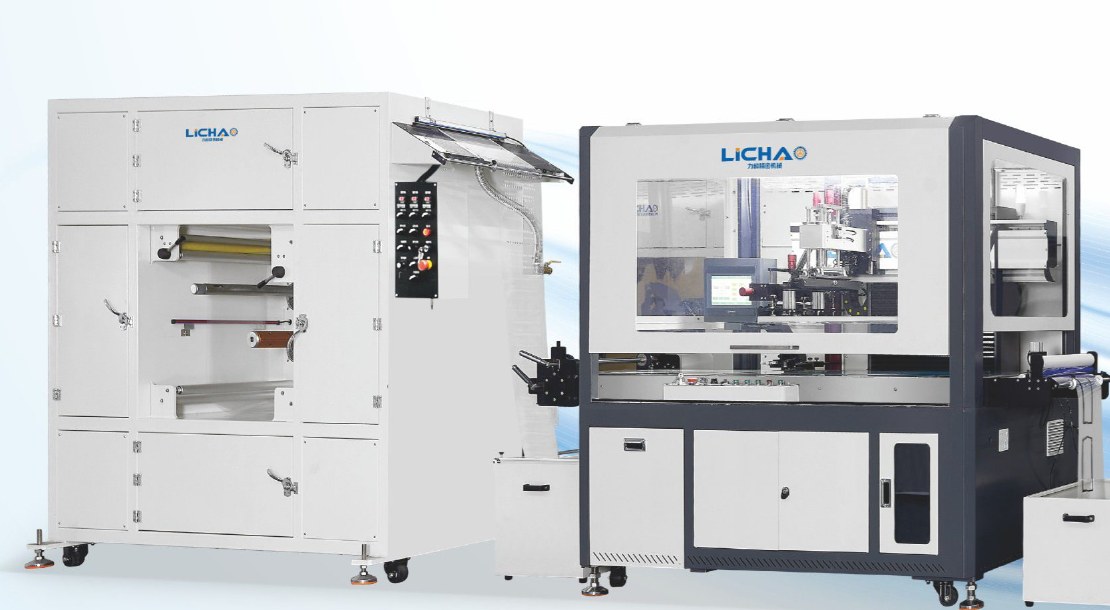
On a roll-to-roll line the adhesive layer is printed and dried inline after the colour layers. Record the adhesive mesh, deposit, dryer settings and web speed for every approved lot so a bulk order can repeat the sample.
Related process and equipment
- Name the fabric and the press temperature, time and pressure.
- Choose powder or a printed adhesive layer and record why.
- Check peel, edge lift, stretch and wash on real samples.
- Keep adhesive and dryer settings for each approved lot.
PET heat transfer film printing and adhesive layers · Screen-printed heat transfers vs direct screen printing vs DTF: how to choose · Silicone heat transfer labels and 3D logos · Wash testing heat transfer labels: ISO 6330, ISO 105-C06 and AATCC 61 · LC-6080SYJ-C roll-to-roll CCD screen printer
Frequently asked questions
Is powder or a printed adhesive layer stronger?
Neither is stronger by definition. The bond depends on the adhesive chemistry, coverage, fabric and press settings; compare both on real samples with the buyer's wash test.
Why must the adhesive match the fabric?
Hot-melt adhesives are made from different polymers that bond and resist heat and moisture differently. A transfer that bonds well to one fabric may behave differently on another, so test on the production fabric.
Technical references
Related process and equipment
How heat transfer film is screen printed: layer order from release film to adhesive ↗
Related process and equipment
Hot peel vs cold peel plastisol transfers: paper, ink and peel timing ↗