
Hot peel vs cold peel plastisol transfers: paper, ink and peel timing
Hot peel and cold peel describe when the paper comes off after pressing, but the choice is made much earlier: at the printing stage, by the paper, the ink and how the colours are laid out. Mixing up the two methods is a common cause of failed transfers.
Why plastisol transfers work: a two-stage cure
In transfer printing, ink is printed onto paper, dried, and then transferred to the garment under a heat press. Plastisol makes this possible because it cures in two stages: according to Fujifilm’s Sericol guide, full cure and wash resistance need about 140–160 °C depending on the ink system, while at about 110–120 °C the ink is dry to the touch but has no resistance properties yet.
The print is therefore only set on the paper, and pressing it onto the garment completes the cure. Designs are printed in reverse, and because the process is similar to paper printing, the guide recommends a vacuum-bed printing machine.
Cold peel: release-coated paper, overlaps allowed
In a cold peel transfer, the whole printed film moves from the paper to the garment, and the paper is peeled off once it is cold. Any plastisol can be used, but inks that dry tack-free at a low temperature work best. The paper is release-coated, and the level and type of coating decide the gloss of the finished print.
The guide’s typical values: mesh 34–62T for single-layer prints, drying at 110–120 °C for 30 seconds, each colour set before the next, and pressing at 185–190 °C for 10–15 seconds. Colours may be butt-registered or overlapped; overlaps do not mix, and the first colour down is the one that shows. A white back-up layer adds opacity, and a back-up adhesive (powder or printable) lets the print transfer at around 160–170 °C with better adhesion on many synthetics.
Hot peel: affinity paper, peel within seconds
A hot peel transfer is printed on hot peel paper, for which the ink has some affinity, and the paper is removed immediately after the press opens while the ink is still hot. Not every plastisol gives hot peel characteristics, and the paper strongly affects the peel, so both must be tested before a production run.
Typical values in the same guide: mesh 21–62, drying at 120 °C for 15 seconds, and pressing at 185–190 °C for 15–20 seconds. Colours should be butt-registered only, because overlapping colours can mix on transfer. If the paper peels badly, peel faster (typically within 5 seconds), check that the ink deposit is around 50 microns and that the drying temperature is not too high. Hot peel gives brightly coloured prints; like all plastisol prints, neither type is ironable.
Choosing the method and keeping the line consistent
Stahls’ UK puts the practical difference simply: a hot peel design is finished the moment it leaves the press, which suits quick custom jobs, small batches and same-day orders; with cold peel the garments cool completely first, so a batch can be pressed and then peeled in one go, which suits large, repeat runs. It also advises following each transfer’s instructions closely and not mixing the two up.
For a transfer producer this means agreeing the customer’s application method before printing, because it fixes the paper, the ink and the colour layout. Then keep the drying schedule, deposit and registration the same from lot to lot, and send the press settings and peel instructions with every delivery.
Related process and equipment
- Agree hot peel or cold peel with the customer before artwork and paper are chosen.
- Hot peel: butt-register colours only; test ink and paper together before production.
- Keep drying temperature, time and ink deposit consistent per lot.
- Supply press temperature, time and peel instructions with each delivery.
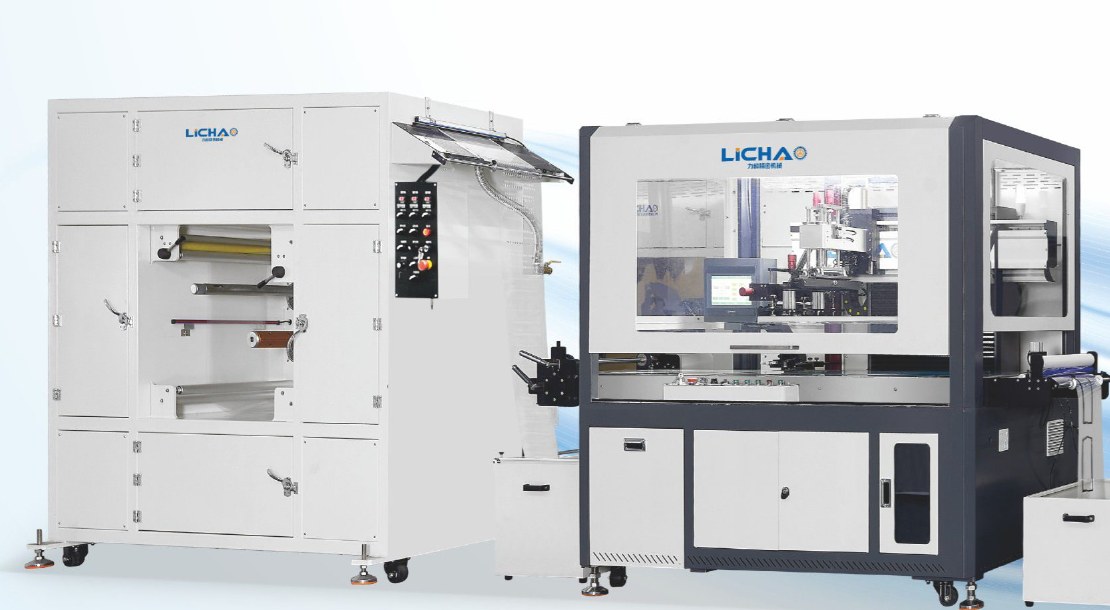
Screen printed plastisol heat transfers · How heat transfer film is screen printed: layer order from release film to adhesive · Hot-melt powder or printed adhesive layer: choosing the glue for heat transfers · Multi-colour heat transfer film registration: PET shrinkage, mesh and CCD · LC-6080SYJ-C roll-to-roll CCD screen printer
Frequently asked questions
What is the difference between hot peel and cold peel transfers?
The paper is removed at a different time. A hot peel transfer is peeled immediately after the press opens, while the ink is still hot; a cold peel transfer is left to cool and then the paper is peeled. The two use different papers, and hot peel needs an ink suited to it.
Why does a hot peel transfer fail to release cleanly?
Common causes in Fujifilm’s Sericol guide are an ink not suited to hot peel, waiting too long before peeling (it suggests within about 5 seconds), too low an ink deposit (around 50 microns is typical) and too high a drying temperature.